
I’ve read a few books at the moment and I know some people have gone to town with this and they’re making everything from scratch. Is it too much? What should I do?”
I did a video on this here:
Facebook: https://www.facebook.com/reel/1126059635799203
Instagram: https://www.instagram.com/reel/DBTGbtziYW5/?igsh=anlkMWJjZjUxa29x
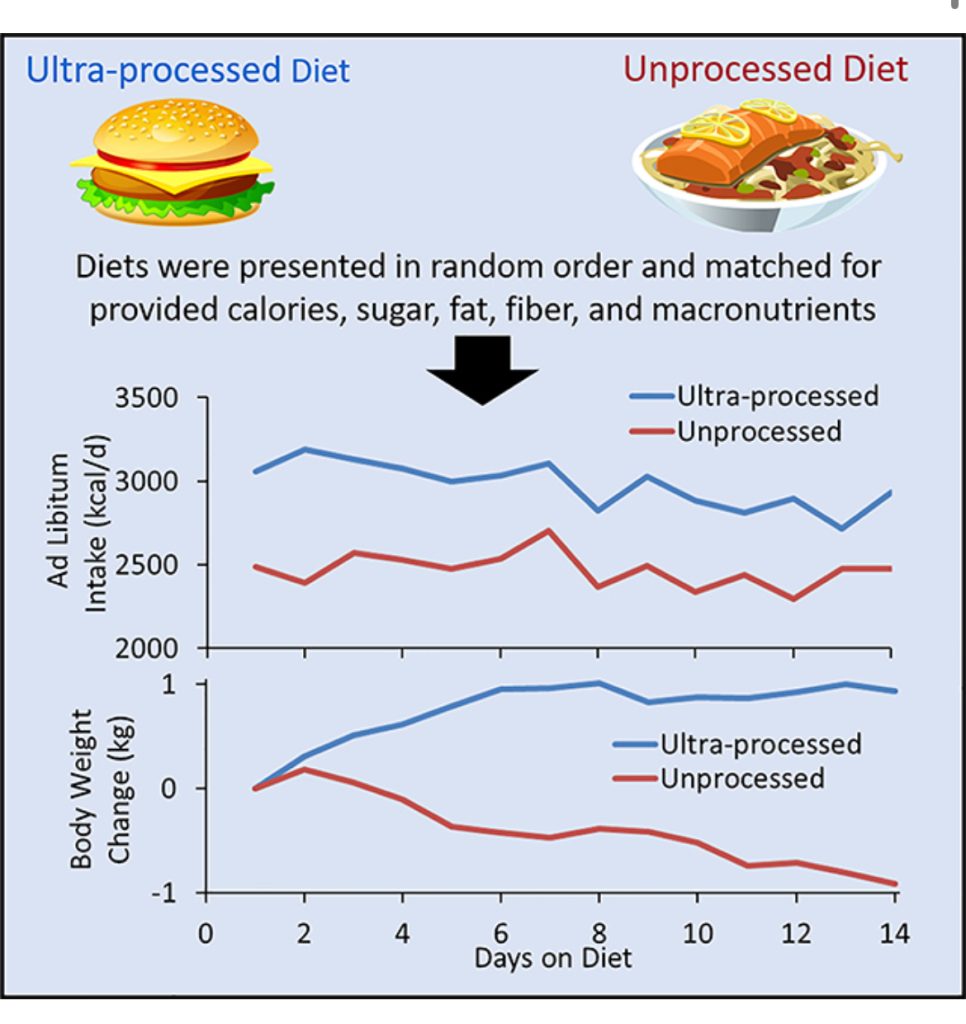
In short, ultra processed foods as shown by a recent study, will probably result in you eating more. You might know that anyway, but these foods seem to be not as satiating as unprocessed food.
And this was shown in a recent study where they gave people match meals in a metabolic ward. They matched the meals, so same calories, same protein, same carbs, same fat.
Then they told them, whether you have the unprocessed or the ultra processed meal, you can eat as much as you want.
And what they found was that people who were given the ultra processed diet ate more and therefore gained more weight than the people who had the unprocessed diet.
And what they ate more of was more carbs and fats. Interesting with the protein, right? So they gained weight and ate more carbs and fats rather than opted for more protein. And again, the protein hypothesis that keeps you fuller for longer is there to be seen.
But what can we take from this?
Well, we need to make sure we’re getting high satiety foods.
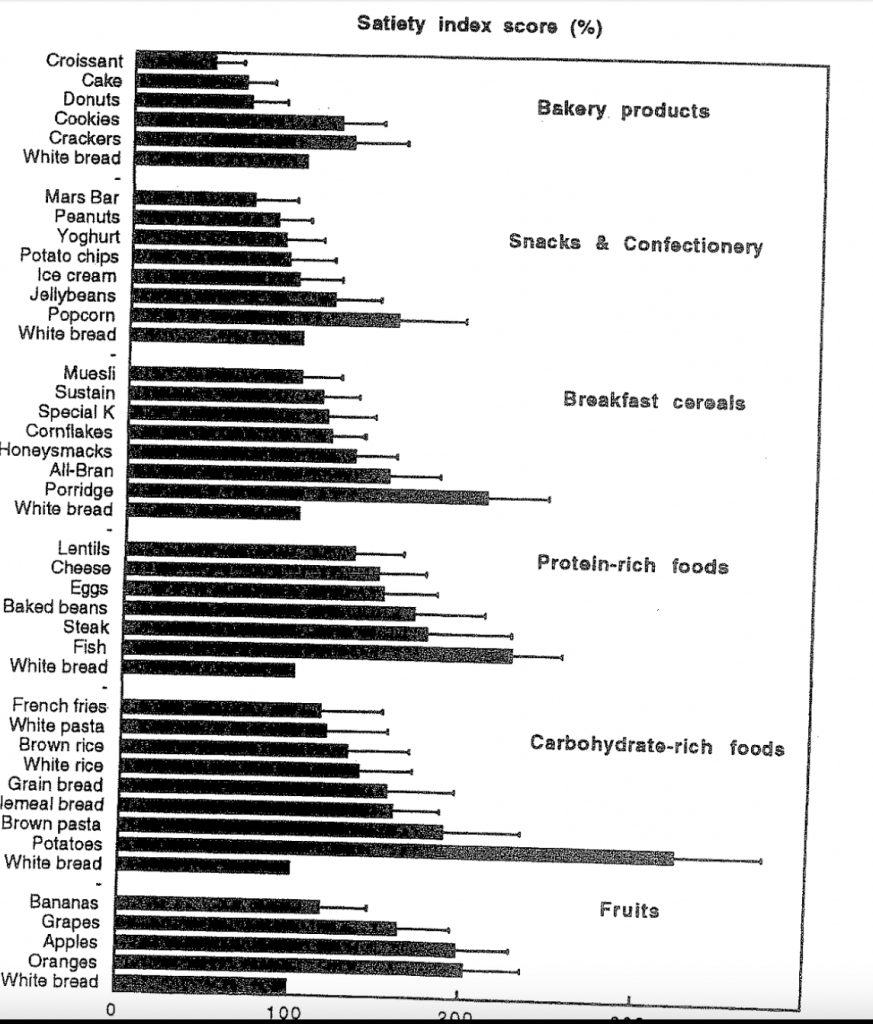
According to the satiety index: potatoes, protein, oats, fruits, vegetables, of course, are going to keep us fuller for longer. And then we might want to decide, do I go for the 80-20 rule? 80% whole nutritious foods, 20% ultra processed to allow me to have that flexibility, or maybe a 90-10, 90% whole nutritious foods, 10%, I allow myself a little bit of something that you want.
These are just some of the considerations when creating a personalised plan that fits your lifestyle and eating habits (something we go through in the 28 Day Kickstart. Reply with ‘Kickstart’ for more info)
Matt